Gypsum
 In the winter when rock salt or other ice-melting chemicals are used, they inevitably gets into the lawn, whether spread by a salt truck or piled on the lawn by a snowplow. Although the rock salt is often essential to winter safety, it is very damaging on lawns and plants.
When excessive salt gets into the lawn, the salt damages the soil by displacing other key elements needed by the lawn. The use of gypsum allows the salt to leach away into the sub-soils below the roots of the lawn, rendering it harmless. Heavy watering is required in these areas to aid in the leaching process.
For established lawns, the best results are found when gypsum is applied after a lawn aeration. The aerator removes small plugs of soil from your lawn, creating holes about the size of your small finger. If the gypsum is applied directly after the aeration it enters those holes and has direct contact with the soil in those holes. Applying gypsum as a surface application is less effective.
Pure gypsum is a natural mineral that does not affect the pH of the soil nor does it add or detract from the existing minerals already found in your soil. Gypsum has no plant nutrients, such as nitrogen, so there is no chance of plant damage when using it.
It is also safe for pets and workers can handle the product without gloves or masks. In fact, pet urine on the lawn plagues many homeowners. Not only is pet urine detrimental to the health of your grass, it can also give-off an offensive odor. Fortunately, there is a solution. Gypsum, is a non-toxic, natural neutralizer that is safe for humans, pets, soil, plants and your grass. Gypsum neutralizes the mineral salts in pet urine, resolving odors and preventing lawn damage.
Gypsum may be applied any time of year and, depending on the needs of your particular lawn, we may apply it two to three times a year.
Lawn Lime
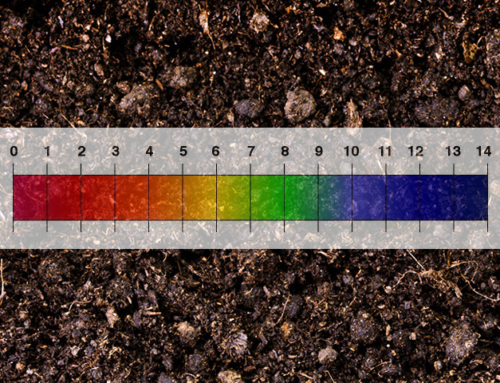
 Lime and gypsum are both used to improve the soil in your lawn and garden. However, they serve very different purposes. Adding lime to soil raises the pH so it becomes less acidic. Lime can ‘green-up’ a lawn.The best way to determine whether or not your soil needs liming is to test its pH. The target pH level of turf grass, for example, is between 6.2 and 6.5, so if your soil has a lower pH it will likely benefit from adding it. Remember, though, too much can be as harmful to your lawn as too little, so its best to always test the soil before application.
Lime is a compound made up of calcium or calcium and magnesium and is used to reduce the damaging effects of acidic soil on lawns and gardens. Lime also reduces the toxicity of elements in the soil, such as aluminum, manganese and iron, which can adversely affect growth. In addition, lime increases bacterial activity, which helps improve soil structure.
Many sources suggest liming your lawn before seeding to better prepare the soil for healthy grass growth. You can sow grass seed and apply lime at the same time but it might take a season or two to achieve a full, green lawn as it conditions soils slowly.
Lime has always been available in powder form, but the more modern granulated forms are an improvement over the powder of days gone by. It may be applied using a drop spreader or broadcast spreader. Since it is insoluble, it tends to stay exactly where it is spread, so these ensure uniform coverage for your lawn. Although best applied in the fall, lime can be applied at any time, but is better two weeks from applying fertilizer. Lime needs only to be applied every 3 to 5 years. Lime is non-toxic to plants, pets and humans.